
Have you ever noticed your dog endlessly chewing on the exact same patch of skin until it turns raw? If you are wondering, “why is my dog scratching non-stop but has no fleas,” you are not alone. Finding effective dog itchy skin home remedies is the number one priority for pet owners who want to stop this endless cycle without spending thousands of dollars at the vet clinic.
You have likely tried everything. Expensive oatmeal shampoos that promised relief but lasted four days, harsh chemical sprays that made your dog run away, and pricey bags of food. You might even see relief for a couple of weeks after a vet visit, only for the itching to come roaring right back the moment the medication runs out.
What if the solution to this severe itching starts right inside your dog’s bowl? Based on over two decades of general veterinary practice by Dr. Susan Whitmore, here is the complete “3-Shield Plan.” This masterclass will help you rebuild your dog’s skin barrier from the inside out using cheap, effective pantry ingredients.
The 60-Second “Paper Towel” Test
Before applying any DIY remedies, you need to verify if your dog truly is flea-free. Do this quick test tonight:
- Wet a plain white paper towel slightly.
- Part the fur where your dog chews the most (usually the lower back, right where the tail meets the spine).
- Look for tiny black specks sitting on the skin that look like ground pepper.
- Press the damp paper towel against the specks and hold it.
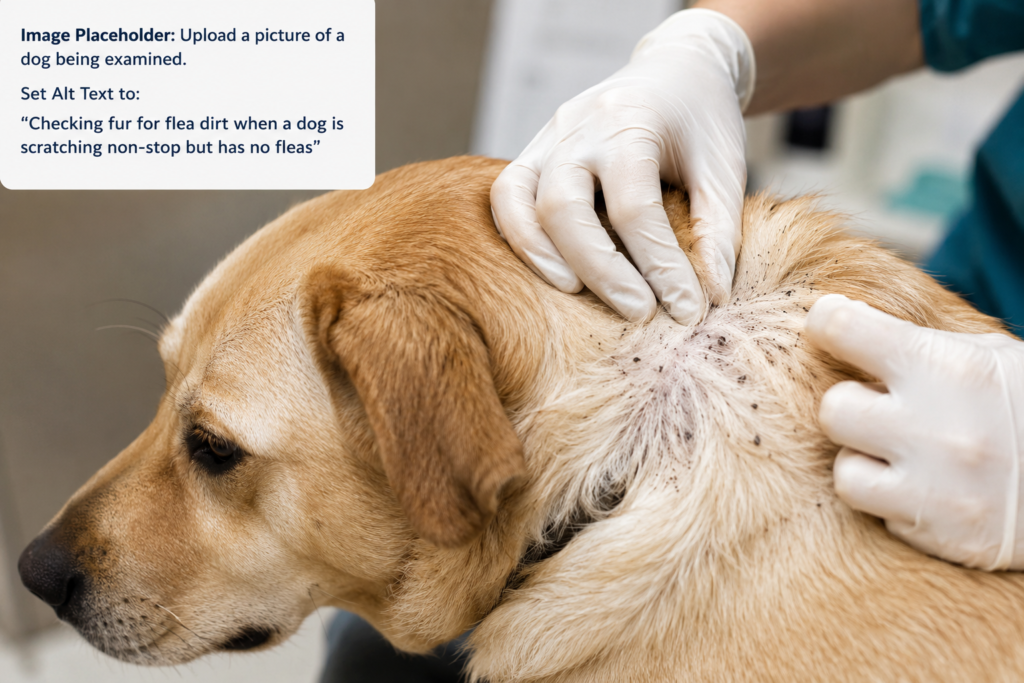
If those specks smear and turn rust-red, that is digested blood. You do have a hidden flea problem. If the specks stay black and dry, you are dealing with a food or environmental sensitivity, making the internal shield even more important.
Shield 1: The Bowl (Internal Health)
This shield takes 6 to 8 weeks to build, but it lasts the longest. Healing an overactive immune system starts from within.
Brewer’s Yeast (The Core Defender
Brewer’s yeast is one of the richest natural sources of B-complex vitamins, especially thiamine, zinc, and selenium. When a dog with a well-nourished skin barrier encounters an allergen, the histamine release is smaller, preventing the endless scratching cycle.
- Dose: ¼ tsp (under 20 lbs), ½ tsp (20 to 50 lbs), 1 full flat tsp (over 50 lbs) daily with food. Build up over a week.
- Warning: Never give your dog active dry baking yeast. Buy inactive brewer’s yeast only.
Sardines in Water (Omega-3 Fatty Acids)
Omega-3 fatty acids (EPA and DHA) get directly incorporated into skin cells. They literally change the ingredients your dog’s inflammation is built from, drastically reducing it.
- Dose: 1 sardine (small dogs), 2 sardines (medium), or 3 sardines (large) given two or three times a week. Buy them packed in water with no salt added.
Coconut Oil
Close to 50% lauric acid, coconut oil has documented antimicrobial activity against certain bacteria and fungi. It forms an occlusive layer that slows water loss through damaged skin.
How to use: Warm a small amount in your hands and apply directly to raw spots right before a walk (so they are distracted and do not lick it).
Plain Yogurt or Kefir (The Gut-Skin Axis)
A large share of your dog’s immune tissue sits in the gut wall. A healthy gut microbial population trains the immune system not to overreact to harmless things like pollen or dust mites.
Dose: 1 tsp (small), 1 tbsp (medium), or 2 tbsp (large) daily.
Warning: Read the label carefully. Never use products containing Xylitol (birch sugar), as it is catastrophically toxic to dogs.
For more scientific insights into canine nutrition,
Proper Turmeric Paste
Sprinkling dry turmeric powder on food accomplishes almost nothing. You must combine it with fat and piperine (black pepper) for absorption.
Recipe: Mix ½ cup turmeric powder, 1 cup warm water, 1½ tsp ground black pepper, and ¼ cup coconut oil into a paste. Keep it in the refrigerator for up to 2 weeks.
Dose: ⅛ tsp (small), ¼ tsp (medium), ½ tsp (large) daily with food.
Shield 2: The Body (Topical Relief)
When your dog is scratching non-stop, this is your topical relief shield. It works in hours, not weeks.
- Diluted Apple Cider Vinegar Reset: Healthy canine skin is alkaline. Mix 1 part ACV with 3 parts cool water. Spray lightly on the belly, armpits, and paws 2-3 times a week to fight Malassezia (yeast) overgrowth. Warning: Never put vinegar on broken or freshly chewed skin; it will burn badly.
- Colloidal Oatmeal Soak: Oatmeal contains avenanthramides, which directly blunt the itch response. Finely grind unflavored oats and add a cup to lukewarm bathwater. Let your dog soak for at least 10 minutes.
- Cooled Tea Rinse: For spots you cannot easily bathe (like paws or ears), brew a strong pot of decaffeinated green tea. Let it cool completely. Soak a clean cloth and hold it against the irritated area for 5 full minutes.
Shield 3: The Bedding (Environmental Control)
- Even if your dog has no fleas, microscopic dust mites and environmental allergens cling to their sleeping areas.
- Weekly Hot Wash: Strip every piece of bedding your dog uses and wash it in the hottest water the fabric allows. Heat is what neutralizes allergens.
- Meticulous Vacuuming: Vacuum everywhere your dog lies down, particularly the seams of upholstery. Take the vacuum canister contents outside immediately.
- Food-Grade Diatomaceous Earth: Lightly dust this powder onto the bare mattress of the dog bed. Ensure it is “food-grade” only, and let the dust settle before your dog comes near to protect their airway.

Which Remedy Should You Pick First?
The most important instruction: Do not implement all nine steps tomorrow. Sudden changes can upset your dog’s stomach.
Pick just two remedies to start. The safest combination is adding the flat teaspoon of Brewer’s Yeast to their morning food and implementing the weekly hot wash of their bedding. Give it two solid weeks to observe the changes before adding another layer to the shield.
Disclaimer: Everything listed here supports the skin barrier, but none of it treats severe disease. If you are seeing open sores, foul-smelling discharge, or symmetrical hair loss on both sides of the body, please schedule an appointment with your veterinarian immediately.