
Choosing the best dog food is one of the most important decisions you will ever make as a pet parent. Have you ever stood in the pet store aisle at Target or Petco, staring at a massive wall of 50 different colorful bags, completely overwhelmed?
I’ve been there. One bag claims it’s grain-free or ancestral. Another boasts about farm-fresh veggies and exotic meats like kangaroo or wild boar. Years ago, I’d grab those $80 or $90 bags, genuinely believing I was buying top-tier health and longevity for my absolute best friend.
I’d pour the dog food into the bowl, watch that happy tail wag, and feel like the best dog parent in the world. But after doing a deep dive into the industry and making a few mistakes of my own, I realized how much of the pet food world is built on fancy marketing designed for us (the human buyers) rather than what actually keeps our dogs healthy.
Today, I’m sharing my personal story, the dog food brands I personally stay away from, and the simple kitchen rules that helped keep my home safe.
Why I Stopped Buying Budget Dog Foods
- Look, we’ve all been through tight times. A fed dog is a loved dog, and no one should ever feel guilty for buying what fits their budget.
- However, when I started reading labels on bargain-bin dog food brands (like Ol’ Roy, Gravy Train, or standard store labels), three major red flags made me step back:
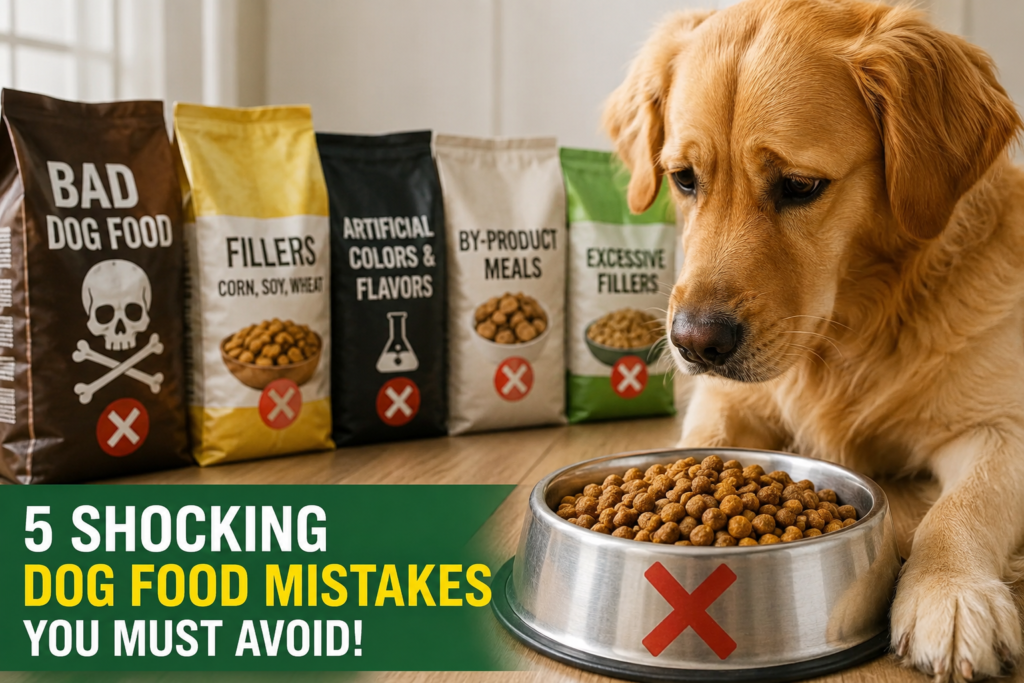
- Vague Meat Meals: When the first ingredients say “meat meal” or “poultry by-product” instead of Chicken Meal or Beef Fat, you don’t actually know what animal it’s coming from. It changes from batch to batch depending on what’s cheapest. That constant shift used to wreck my dog’s stomach.
- Bright Artificial Dyes: Dogs don’t care if their kibble is red, green, or yellow—they’re colorblind! Dyes like Red 40 or Yellow 5 are only added to make the dog food look like fresh veggies and meat to us.
- Harsh Preservatives: I always check the back of the dog food bag for natural preservatives like mixed tocopherols (Vitamin E) instead of synthetic chemical preservatives like BHA or BHT.
The Expensive Grain-Free Dog Food Trend That Scared Me
For a long time, I fell for the boutique, grain-free marketing. I bought into the idea that dogs should eat like wild wolves and that grains were bad.
Then came the big FDA reports linking boutique, grain-free dog food diets (often packed with high concentrations of peas, lentils, and chickpeas) to heart issues like Dilated Cardiomyopathy (DCM) in dogs. That was a huge wake-up call for me.
Unless a qualified vet specifically tells me my dog has a diagnosed medical allergy, I stay away from boutique grain-free trends and exotic meats like alligator or kangaroo. Simple, time-tested grains like rice, oats, and barley have been wonderful for my pup’s digestion and energy.
Three Kitchen Mistakes I Personally Made (And How I Fixed Them)
Over the years, I learned that how we handle dog food at home is just as important as what’s in the bag:
Dumping Kibble into Plastic Tubs
I used to slice open a fresh bag of dog food and pour it directly into a plastic storage container. Big mistake! Over time, the natural fats and oils from the kibble seep into the plastic walls and go rancid, contaminating the next fresh batch you pour in.
My fix: Now, I keep the dog food inside its original engineered bag and just place the entire bag inside the plastic tub.
Skipping the Daily Bowl Wash
I used to just refill my dog’s bowl on top of yesterday’s crumbs. Once I realized how quickly saliva and leftover fat can grow bacteria like Salmonella or E. coli, I started washing the food and water bowls daily with hot, soapy water.
Giving In to “Begging Eyes”
Keeping my dog at a lean, healthy weight has made a world of difference for his energy levels and joint health. Food isn’t the only way to show love—extra belly rubs work just as well!
The 5 Dog Food Brands My Family Personally Trusts
After looking into long-term feeding trials and safety standards, I realized that heritage dog food companies actually invest heavily in real testing and quality control.
The main dog food brands I feel confident feeding in my house are:
Purina (especially Pro Plan and Purina One)
Royal Canin
Hill’s Science Diet
Eukanuba
Iams
These dog food brands own their manufacturing facilities, conduct actual feeding tests on real dogs, and have full-time animal nutritionists on staff to balance every single meal. For more official safety guidelines, you can check the WSAVA Global Nutrition Committee Resources.
Dangerous Kitchen Foods Every Dog Parent Should Avoid
We’ve all been tempted to toss a piece of table scrap under the dinner table. But a few common kitchen staples are surprisingly dangerous for our pups:
Sugar-Free Peanut Butter (Xylitol / Birch Sugar): Plain peanut butter is a great treat, but always check the label for Xylitol (sometimes listed as Birch Sugar). It can cause a sudden, dangerous drop in a dog’s blood sugar.
Grapes and Raisins: These can cause sudden kidney issues, and there is no safe amount. Keep these completely out of reach.
Onions and Garlic: Whether raw, cooked, or in powdered form (like in gravies, broths, or seasoned takeout), onions and garlic can damage a dog’s red blood cells over time.
Fatty Trimmings & Cooked Bones: Bacon grease and steak fat can trigger severe stomach inflammation (pancreatitis), while cooked bones can easily splinter and harm their digestive tract.
Macadamia Nuts: Commonly found in baked goods, these can cause severe weakness in a dog’s back legs, tremors, and distress.
Safe Snacks I Share Instead:
When I want to give my pup a healthy treat from the fridge, I stick to:
Plain raw carrots (great for teeth!)
Apple slices (core and seeds completely removed)
Plain green beans (low calorie and crunchy)
How to Safely Switch Dog Food
If you decide to transition your pup to a new dog food brand, do it gradually over 7 to 10 days to avoid upset stomachs:
Days 1–3: 75% Old Food + 25% New dog food
Days 4–6: 50% Old Food + 50% New dog food
Days 7–9: 25% Old Food + 75% New dog food
Day 10: 100% New dog food
Also, make sure to check out our previous guide on how to care for senior dogs at home for more pet health tips.
(Pro-Tip: Always keep your local vet’s phone number saved in your phone or posted on your fridge just in case your pet ever eats something they shouldn’t!)
Final Thoughts
Being a pet parent is a constant learning process. We all just want to do what’s best for our furry family members.
What dog food are you currently feeding your pup? Has your dog ever surprised you by trying to steal something off your plate? Drop a comment below—I’d love to hear your story!