
Bringing a new puppy or kitten into your home is an incredibly rewarding milestone, but it also comes with a massive wave of responsibility.
If you are a new pet parent trying to navigate the chaotic first few weeks, you have probably found plenty of generic checklists online.
However, most of those guides lack real-world context.
Living in a unique forest environment surrounded by diverse wildlife, I spend my days observing animal behavior in its truest, most natural form.
Combining those raw insights with professional veterinary data, I have built this ultimate, fluff-free guide to help you raise a thriving, healthy pet.
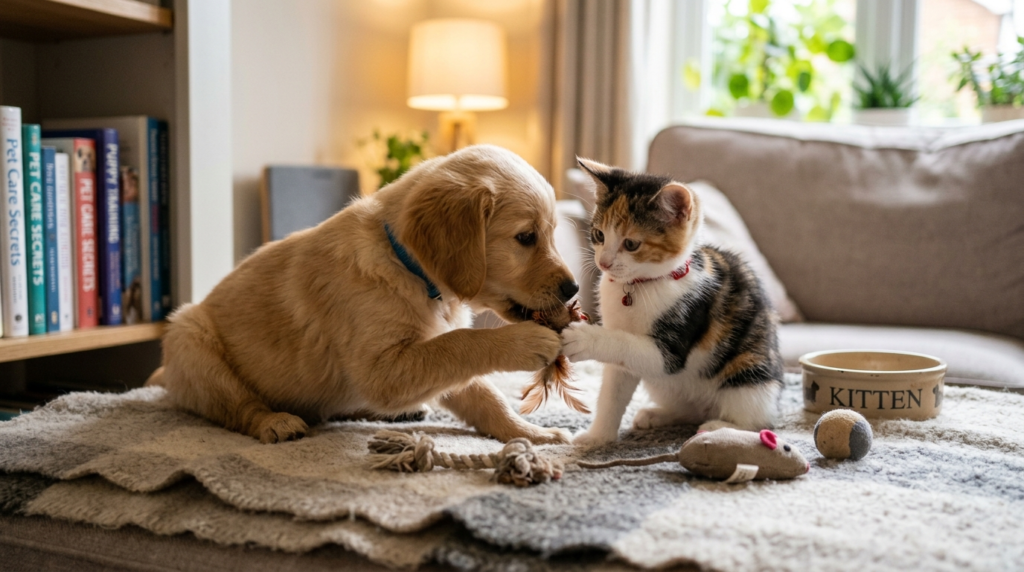
1. Choosing the Right Breed for Your Living Space and Lifestyle
Before bringing a pet home, you must evaluate your living conditions. Different breeds have drastically different spatial and psychological needs
Apartment-Friendly Pets (Best for Limited Space)
- If you live in a city apartment or a suburban condo, look for low-energy toy breeds or independent felines that do not require massive yards.
- Top Dog Breeds: Shih Tzu, Pug, Chihuahua, Pomeranian, Maltipoo, and Lhasa Apso.
- Cats: Persian and Himalayan cats are exceptional apartment companions. They are incredibly cost-effective, require minimal space, and naturally respect your boundaries.
Guard Dogs and Large Breeds (Best for Large Yards or Acreage)
- If you own a large property, a farmhouse, or need an active security companion, look into working breeds.
- Top Security Breeds: Rottweiler, German Shepherd, Doberman Pinscher, Bullmastiff, and Cane Corso. These breeds need rigorous mental stimulation and physical space to thrive.
2. Pet-Proofing Your Home: Eliminating Hidden Household Hazards
Just like toddlers, puppies and kittens explore the world with their mouths. Before giving them free reign of the house, you must eliminate these structural dangers:
- Exposed Electrical Cords: During the teething phase, puppies will chew anything. Tape down or hide loose wires behind furniture to prevent fatal shocks.
- Toxic Houseplants: Common plants like Lilies, Aloe Vera, and Money Plants can cause sudden organ failure if ingested by cats or dogs. Move them completely out of reach.
- Chemicals and Cleaners: Household detergents, floor cleaners, and human medications must be locked away. Even trace amounts of chemical residue can cause irreversible liver damage.
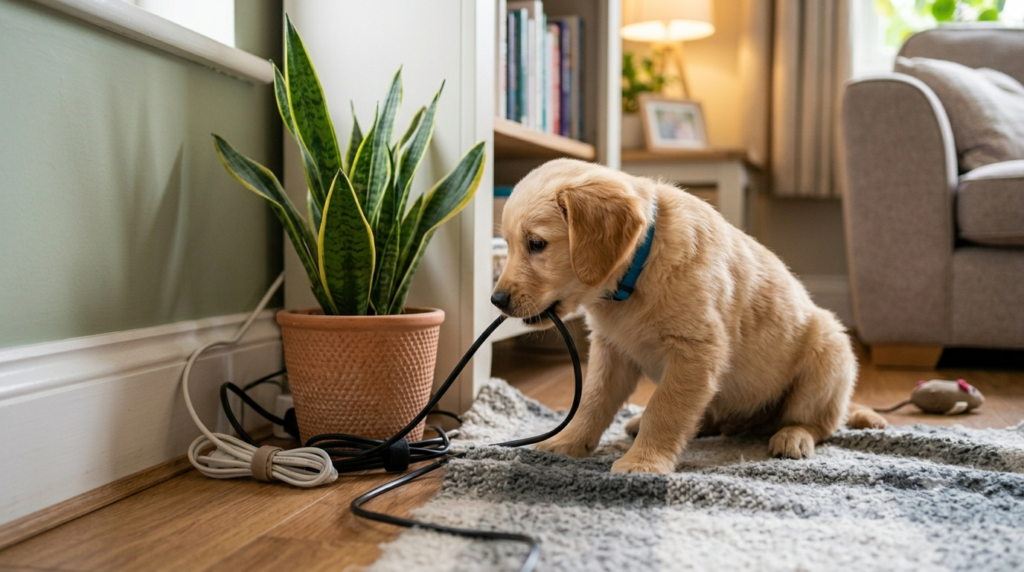
3. The Working Professional’s Dilemma: Cracking the Loneliness Code
- Leaving a 2-to-3-month-old puppy completely isolated from 10:00 AM to 5:00 PM while you work is a recipe for severe separation anxiety and destructive behavior.
- The Critical Window (Days 60 to 100): This is the most crucial developmental stage for your puppy. If your job keeps you away all day, utilize a verified Pet Daycare / Pet Creche service during this period.
- Building Independence: After the 100-day mark, puppies develop better bladder control and psychological stability. At this stage, you can safely leave them home for a few hours with interactive puzzle toys and an accessible food bowl.
4. Housebreaking 101: The Foolproof Way to Potty Train Your Pet
- The biggest headache for new pet parents is dealing with indoor accidents. Housebreaking boils down to one golden rule: unwavering consistency.
- The Routine: Take your puppy to a designated outdoor spot immediately after they wake up, 15–20 minutes after every meal, and right before bed.
- Never Use Negative Reinforcement: If your pet has an accident inside, do not yell, hit them, or rub their nose in it. This teaches them to fear you, causing them to hide their mess behind couches or under beds.
- Ditch the Standard Bleach: Clean indoor accidents with a specialized Enzyme Cleaner. Standard household cleaners leave behind trace ammonia smells that humans cannot detect, but dogs can. If they smell it, they will keep returning to that exact spot to do their business.

5. Canine and Feline Dermatology: The Truth About Bathing
- A massive misconception among new owners is that bathing a pet every week keeps them clean. In reality, you are destroying their natural defenses.
- Observation from the Wild: Wild animals do not take soapy baths, yet their coats remain resilient against the elements. Scientifically, a dog’s skin consists of five delicate, highly sensitive cellular layers. Unlike human skin, a dog’s coat takes up to 72 hours (3 full days) to dry completely down to the deepest layer.
- The Bathing Schedule: Limit full baths to once or twice a month at most. Over-bathing strips the skin of its essential sebum oils, triggering severe hair loss, dry dander, and painful fungal infections.
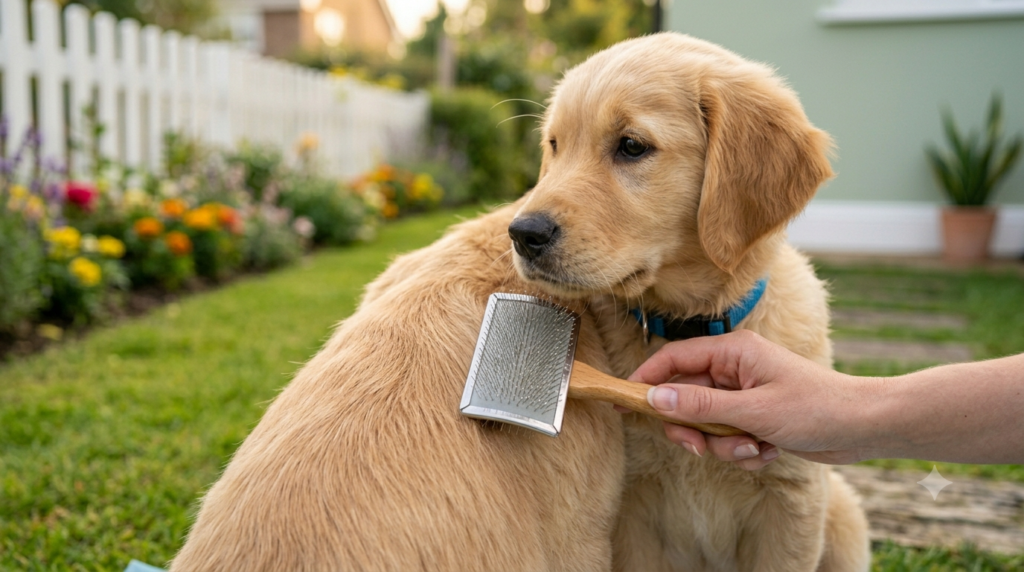
- The 2-Minute Daily Habit: Instead of water, use an acupressure brush for two minutes every single day. Daily brushing removes dead undercoat fur, boosts localized blood circulation, and dramatically reduces shedding around your house.
6. Pet Nutrition: What to Feed and What is Highly Toxic
Poor nutrition can cut your pet’s lifespan in half. Avoid trendy food fads and focus on biological alignment.
Hidden Poisons (Never Feed These to Your Pets)
- Sugar and Excess Salt: Feeding your pets commercial cookies, sugary treats, or highly salted human meals acts as a slow poison. It creates systemic toxicity, damages their kidneys, and causes massive fungal flare-ups during humid seasons.
- Gluten Overload: Standard wheat bread, barley, and cheap corn fillers are terrible for a dog’s digestive tract. Constant consumption of gluten-heavy food can lead to gastrointestinal inflammation and long-term cardiac strain.
- Chocolate, Onions, and Garlic: Chocolate contains theobromine, which dogs cannot metabolize. Onions and garlic contain compounds that actively destroy a pet’s red blood cells, leading to hemolytic anemia.
A Gold-Standard Diet Plan
- Whole Foods: Lean chicken cooked with white or brown rice provides excellent complex carbohydrates and clean proteins. If you feed dairy, substitute raw milk with plain, unsweetened yogurt, which is much easier on their stomachs.
- Premium Commercial Kibble: Choose high-quality brands like Royal Canin, Himalaya, or Dr. Pet. Look for formulations containing natural adaptogens like Ashwagandha or Shatavari, which greatly assist raw digestive health.
- Kibble Toppers: If your pet is a picky eater, do not leave dry kibble out all day. Pour a warm splash of organic bone broth or specialized chicken gravy over the food to boost palatability instantly.
7. Mental Stimulation: Curing Destructive Chewing
- When pets do not get enough exercise, they vent their pent-up energy by destroying your shoes, baseboards, and drywalls. This is not bad behavior; it is a lack of mental drainage.
- Physical Decompression: Dogs need at least 20–30 minutes of structured outdoor walking twice a day. For indoor cats, invest in a vertical cat tree or interactive laser toys.
- The Power of Scent Work: Scent tracking exercises a dog’s brain immensely. Use stuffing toys like a Kong Toy packed with frozen treats or peanut butter. Ten minutes of intensive sniffing and brain work burns as much mental energy as a one-hour run.
8. Early Warning Signs: How to Spot a Sick Pet
- Because animals instinctively mask their pain to avoid looking vulnerable, you must look for subtle shifts in their baseline behavior:
- The Corner Retreat: A sick dog or cat will seek dark, isolated spaces, such as hiding deep under a bed or behind a closet, away from natural light.
- The 48-Hour Fast: If your pet refuses food for 24 to 48 hours, do not force-feed them. During an acute infection or fever, their immune system redirects all energy away from digestion to fight off the pathogen. Forcing food will induce vomiting and critical dehydration.
- The Dry Nose Check: A healthy dog’s nose should feel cool and slightly damp. If the nose leather is completely dry, cracked, and warm to the touch, your pet is likely running a fever.
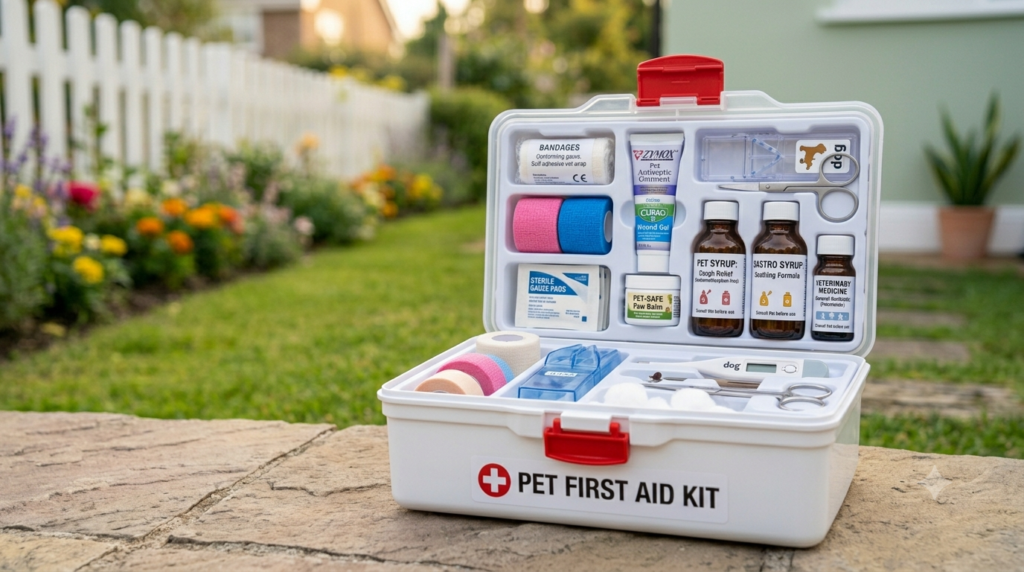
9. Building a Pet First-Aid Kit: Essential Emergency Meds
You should always have a dedicated medical box on hand. Note: Always consult your vet via phone to get the precise dosage based on your pet’s current weight before administering any drug.
| Medical Issue | US/Global Equivalent Medication |
| Fever & Pain Relief | Pyrexcam Drops / Low-Dose Pet-Safe NSAIDs |
| Acute Diarrhea / Loose Motion | Otex OZ / Metronidazole Suspension |
| Nausea & Vomiting | On Med Syrup / Ondansetron |
| Eye Infections & Conjunctivitis | Moxijel / Moxifloxacin Eye Drops |
| Ear Wax Build-up & Infections | Pomsol / Cleansing Ear Drops |
| Wounds & Topical Skin Rashes | Skin Shield Lotion / Antiseptic Topical Spray |
10. The Ultimate Preventive Vaccination Schedule
Missing core vaccine windows can be a fatal mistake. Diseases like Parvovirus can take a puppy’s life within 48 hours.
Core Canine Vaccination Timeline
- Day 45: Puppy DP Vaccine — Protects against the two most aggressive viral killers: Canine Parvovirus (CPV) and Canine Distemper.
- Day 60: 7-in-1 or 9-in-1 Combo Vaccine (Requires a mandatory booster shot exactly 30 days later).
- Day 90: Anti-Rabies Vaccine (Rabies Shot).
Core Feline Vaccination Timeline
Kitten immune systems are incredibly delicate. Their core vaccine regimen (protecting against Feline Panleukopenia and respiratory viruses) typically begins only after they reach 90 days (3 months) of age.
Pro SEO Vet Tip: When your vet administers a vaccine, ensure it is pulled directly out of a specialized medical refrigerator maintained at a strict cold-chain temperature (around 8°C or 46°F).
If the cold chain was broken during transit or storage, the vaccine degrades into completely useless fluid, leaving your pet completely unprotected.
11. Rabies Realities: Separating Fact from Fiction
- Can a fully vaccinated house pet transmit Rabies? No. If your dog or cat receives their annual anti-rabies shots and eats clean, controlled food inside your home, they cannot spontaneously generate or transmit Rabies. If they nip you during play, a standard human Tetanus shot or a basic preventative check is all you need.
- How does the virus actually spread? Rabies is transmitted via the infected saliva of wild or stray animals. If an unvaccinated stray animal bites a pet, the virus attacks the central nervous system. This incubation period can take anywhere from a few weeks to several years. Always seek immediate medical intervention if an unknown stray animal bites you or your pet.
12. Frequently Asked Questions (FAQs) – Pet Care Checklist
Q1: How often should I deworm my new puppy or kitten?
Ans: Puppies and kittens should be dewormed every 2 weeks until they reach 3 months of age. After that, deworm them once a month until they are 6 months old, and then transition to a regular schedule of once every 3 months for the rest of their lives.
Q2: Why is my puppy sleeping so much? Is it normal?
Ans: Yes, it is completely normal. Growing puppies need a massive amount of energy to develop their bones and immune systems. A healthy puppy can sleep anywhere between 18 to 20 hours a day. However, if they are lethargic even when awake, check their nose for a fever.
Q3: Can I use human shampoo on my dog or cat?
Ans: Absolutely not. Human skin has an acidic pH (around 5.5), whereas a dog’s skin is much more neutral to alkaline (around 6.5 to 7.5). Using human shampoo strips away their entire natural acid mantle, causing extreme dryness, chemical burns, and severe bacterial skin infections. Always use a dedicated, pH-balanced pet shampoo.
Q4: At what age can I start taking my puppy to public dog parks?
Ans: Never take your puppy to public parks or allow them to socialize with unknown dogs until they are fully vaccinated (usually around 4 months of age). Before their final booster shots, their immune system is highly vulnerable to deadly, airborne viruses like Parvovirus which linger in soil and grass.
Q5: How do I stop my kitten from biting my hands during playtime?
Ans: When your kitten bites your hand, immediately make a high-pitched “ouch” sound, stop all interaction, and walk away for a few minutes. This mimics how littermates teach each other boundaries. Immediately redirect their biting urge by offering a proper kick-toy or teaser wand instead of your fingers.Conclusion
Raising a pet is exactly like bringing a newborn baby home. It requires patience, structure, and dynamic care. By committing to a balanced diet, keeping up with core vaccines, and respecting their natural biological needs, you will secure 12 to 15 years of vibrant, unconditional companionship.